


Europe’s Metop-SGA1 Orbiting Weather Satellite Launched
Arianespace launched EUMETSAT's Metop-SGA1 (Metop – Second Generation, 1), the first of a series of six polar-orbiting weather satellites, into orbit. EUMETSAT is the European operational satellite agency for monitoring weather, climate, and the environment from space. Beyond Gravity is delivering radio occultation instruments, providing important data for weather forecasts and climate monitoring to all six Airbus-built satellites. The Metop-SGA1 launched on the Ariane 6 rocket, featuring payload fairing from Beyond Gravity made of carbon fiber composite materials.
The satellite structures are six-meters high, weigh around one ton, and are built of carbon fiber, aluminum, and titanium. Beyond Gravity provided thermal insulation for the weather satellite, protecting it from extreme temperature fluctuations of plus/minus two hundred degrees Celsius in space, and stabilizing the interior of the satellite at a constant room temperature to ensure safe functioning of the instruments on board.
“This new European weather satellite, together with its five counterparts, will significantly enhance weather forecasting accuracy and climate change monitoring. A key element of this mission is our radio occultation instrument. Our so-called radio occultation instrument provides important weather data, for example about humidity and temperature, and underlines our capabilities as an important data provider,” said Oliver Grassmann, Executive Vice President Satellites at Beyond Gravity.
Phil Evans, Director-General of EUMETSAT, added “Extreme weather has cost Europe hundreds of billions of euros and tens of thousands of lives over the past 40 years—storms like Boris, Daniel and Hans, record heatwaves and fierce wildfires are just the latest reminders. The launch of Metop-SGA1 is a major step forward in giving national weather services in our member states sharper tools to save lives, protect property, and build resilience against the climate crisis. These positive impacts will be felt even beyond that and over the Atlantic, as Metop-SGA1 is Europe's first contribution to the Joint Polar System with NOAA. This milestone reflects years of teamwork across EUMETSAT, ESA, the EU, CNES, DLR, Airbus, Thales Alenia Space, and many others. This is the beginning of an exciting new chapter as we work to ensure the satellite settles into orbit and starts delivering the vital data it was built to provide.”

Vectorply combines highly engineered composite reinforcements w/ industry-leading engineering & technical support to help customers achieve their production goals.

See how Thermwood LSAM helped D-J Engineering turn complex aerospace tooling around in weeks, not months.
More from Composites Magazine

AV Developing Ceramic Matrix Composites for U.S. Defense Applications

Innovations in Sustainable Yacht Propulsion

Planet-Friendly Pickleball Paddles

New Stadium Roof Is a Big Hit

Speeding Composite Bridge Adoption

GFRP Tanks Stand the Test of Time

Driving Safety in Motorsports

Now is the Time to Market FRP Composites in Construction

New Advanced Digital & Optical Inspection for Wind Turbine Blade Leading Edges

Anemoi’s Composite Rotor Sails Moving Union Maritime Tankers Toward Sustainability Goals

Small Camping Trailer Features a Single Seamless Fiberglass Shell

Sicomin Launches Sustainable Resin for Wooden Racing Yachts

Making a Push for Prefab FRP Panels

QHeat and Exel Composites Improve Efficiency in Energy Plant with Composite Collector Pipes

NASA Takes Delivery of Lockheed Martin’s Orion Spacecraft for the Artemis II Mission

FRP Opens the Flood Gates on an Expanding Market

Creating a 100-Year Landmark at Notre Dame


Carbon Fiber: The Next Target for LFI

Striving for Sustainability in Transportation Infrastructure

Decommissioned Wind Blades Are Visual Focus of New Parking Garage in Sweden

Rocket Lab’s Composite Neutron Medium Payload Rocket Clears Another Milestone Towards Launch

Driving Toward a Greener Future

NASA’s Advanced Composite Solar Sail System Ready to Launch



NASA Testing Carbon Fiber Rotor Blades for Mars Helicopters

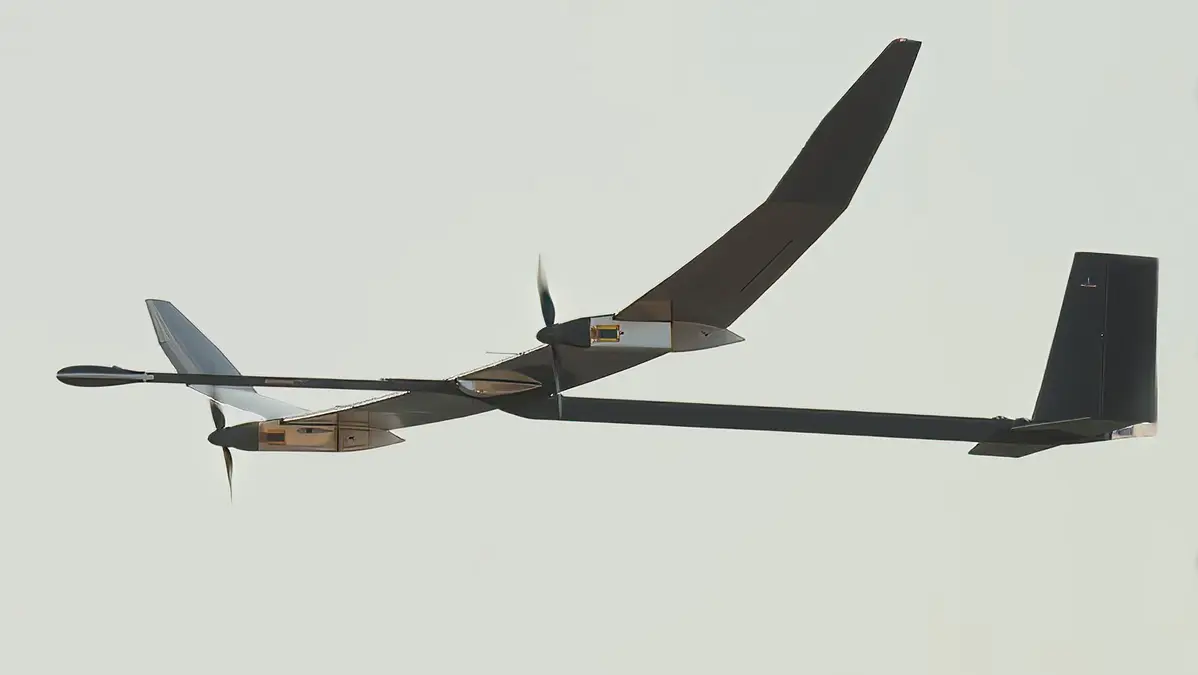

Butterfly eVTOL Prototype is Utilizing Toray’s Carbon Fiber and Resin System

World’s First Carbon Fiber Composite Large Launch Vehicle Introduced


NASA Developing an Advanced Composite Solar Sail System for Future Space Missions

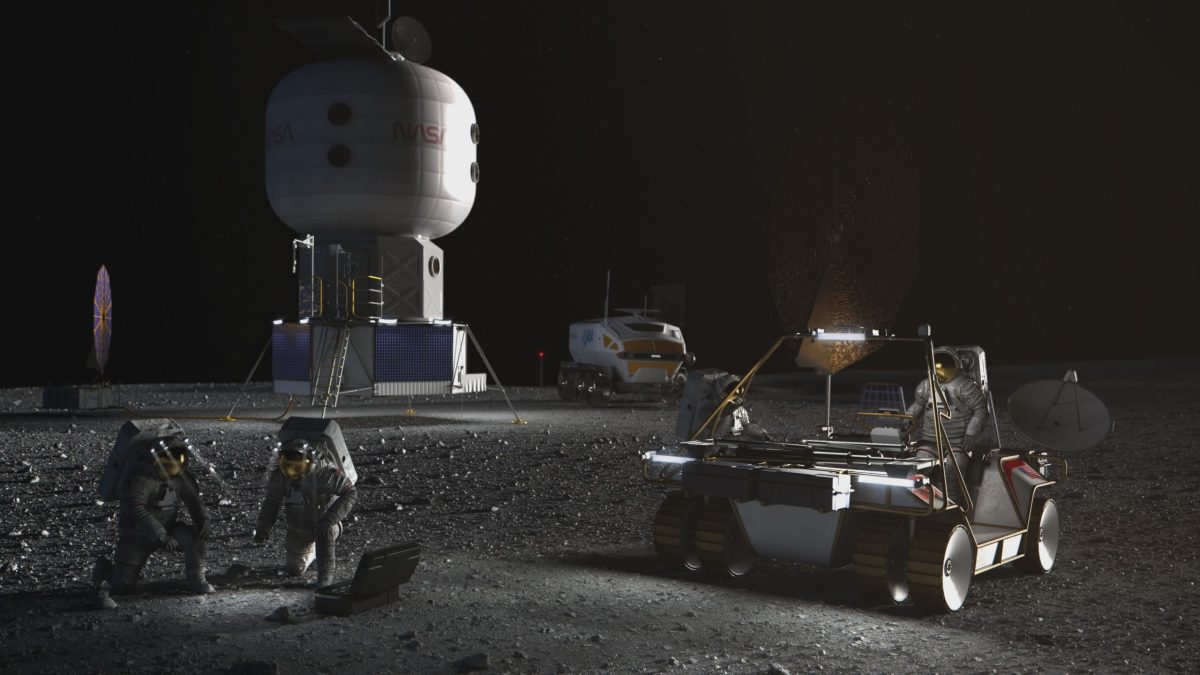
Lockheed Martin and GM Extending Lunar Exploration with Autonomous Moon Rovers


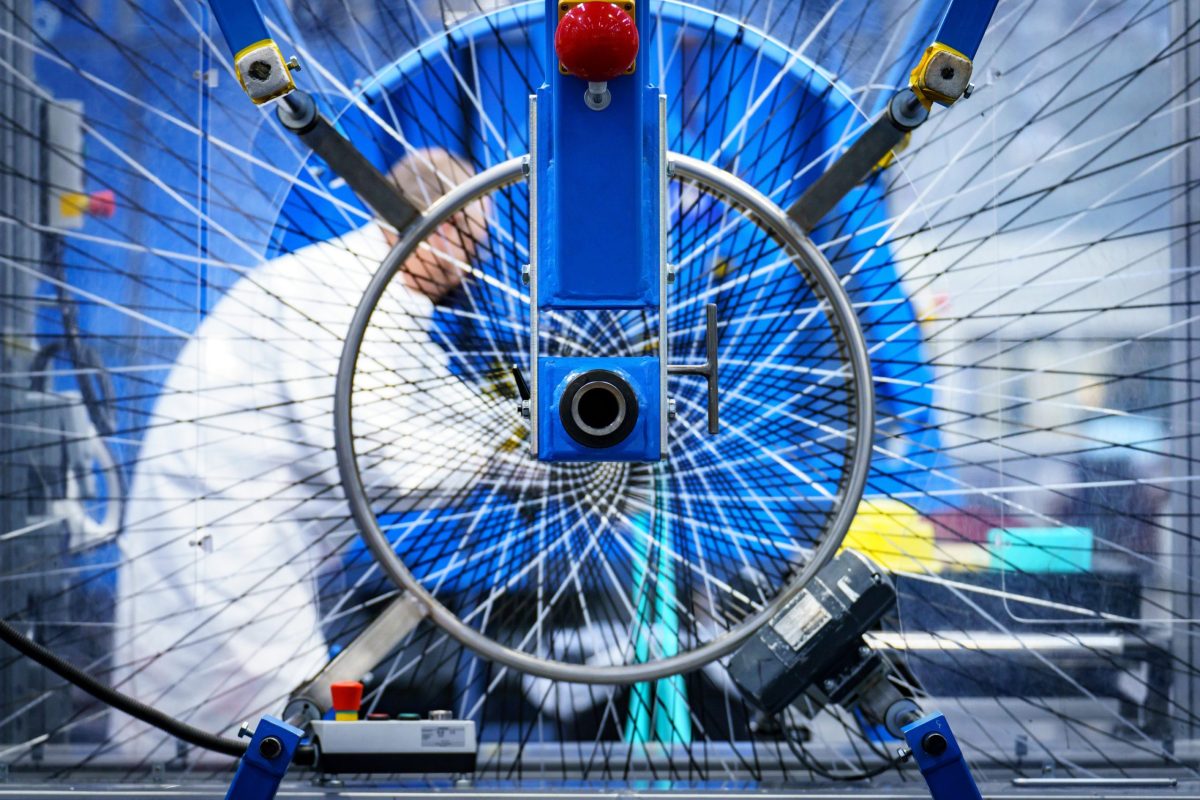
Carbon ThreeSixty, Leonardo and National Composites Centre Collaborate on New Composite Helicopter Wheel

With NASA’s HUNCH Program Students Develop Composite Components for International Space Station
NASA Telescope’s Deployable Tower Assembly Passes Post-Environmental Testing
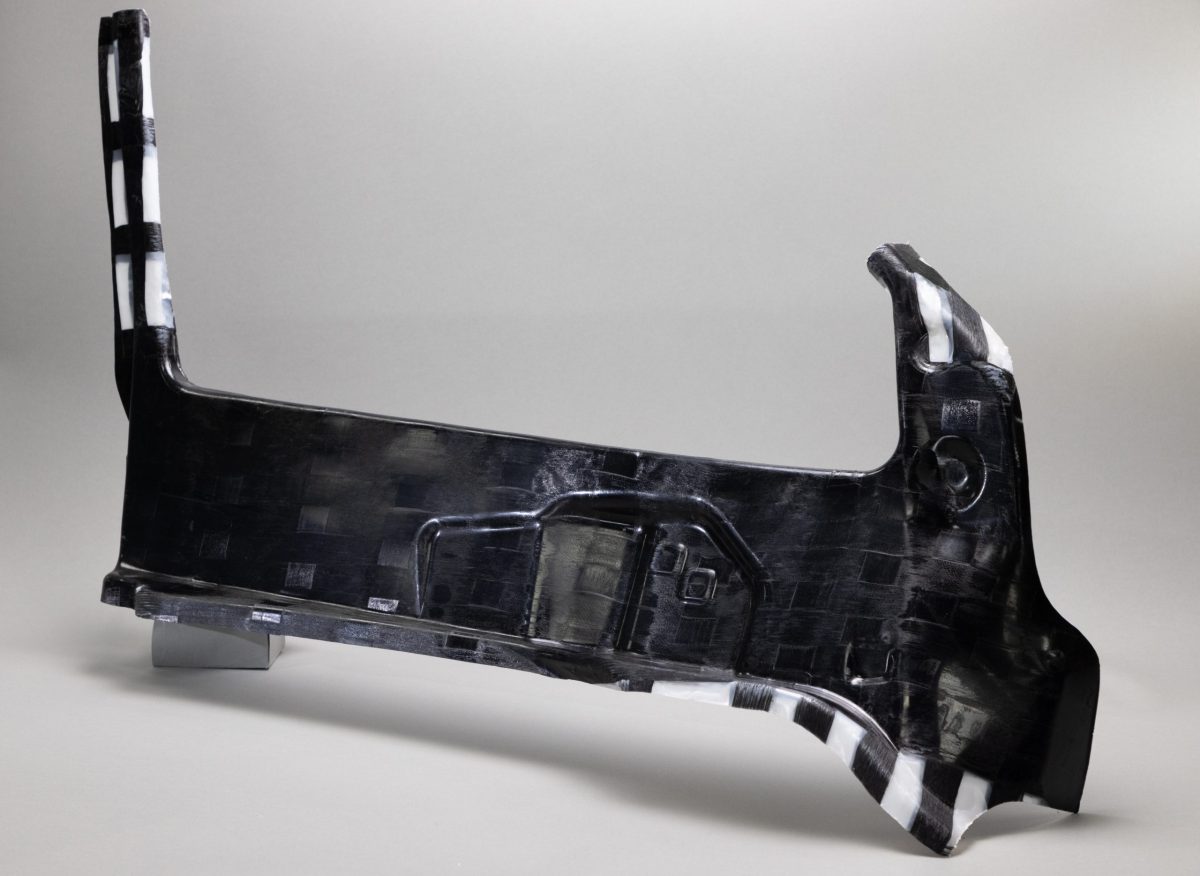
NASA Developing New Planetary Construction Technologies with Advanced Materials


CAMX Opening Keynote: NASA Administrator Discusses Innovation, Collaboration

Fire-Resistant Nanocomposite Material Developed for Use in Aircraft Interiors
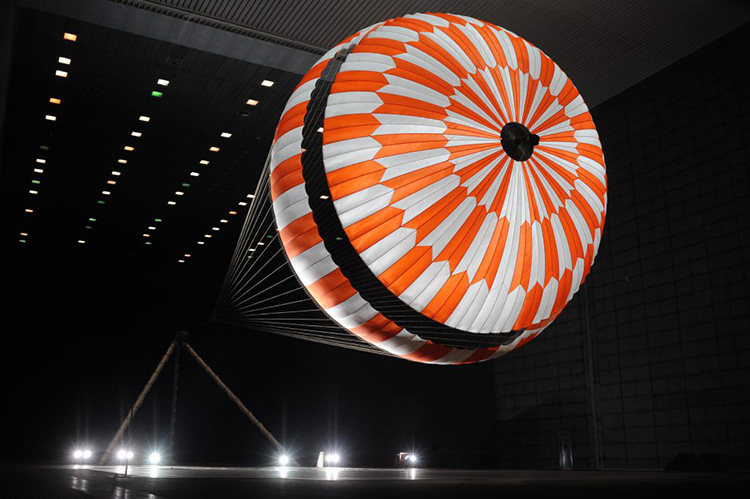
Teijin High-Performance Fiber Strengthens NASA Mars Rover Landing Parachute

Diamond Aircraft Introduced the DA50 RG, an All Carbon Fiber Airplane

Innovative Spacesuit Prototype Uses Composites to Help Detect Damage
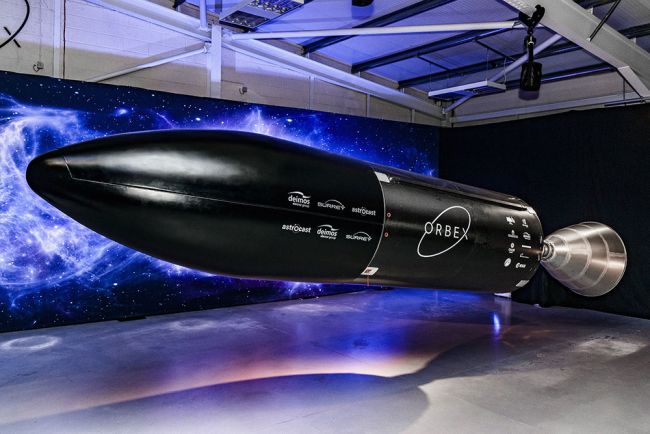
Commercial Orbital Rocket Relying on Carbon Fiber and Aluminum Composites to Soar
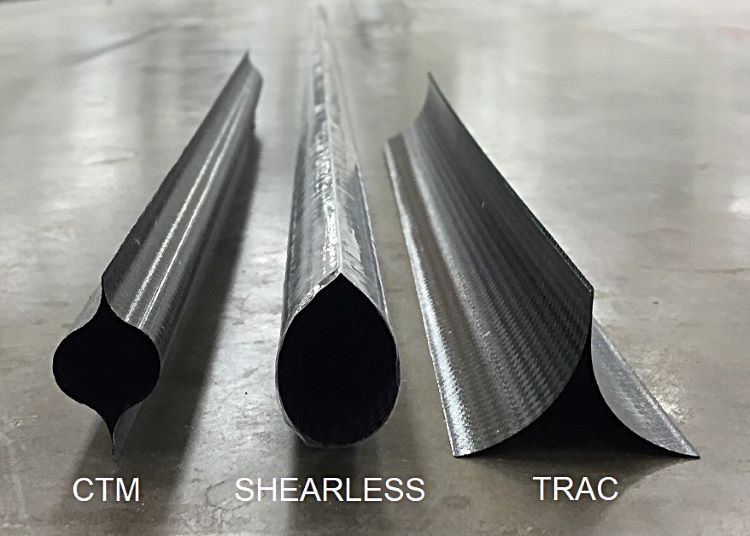
NASA Helping Fund Project to Speed Design of Composite Deployable Structures

Apollo IE Hyper-Car Uses Carbon Fiber for Strength and Aerodynamics
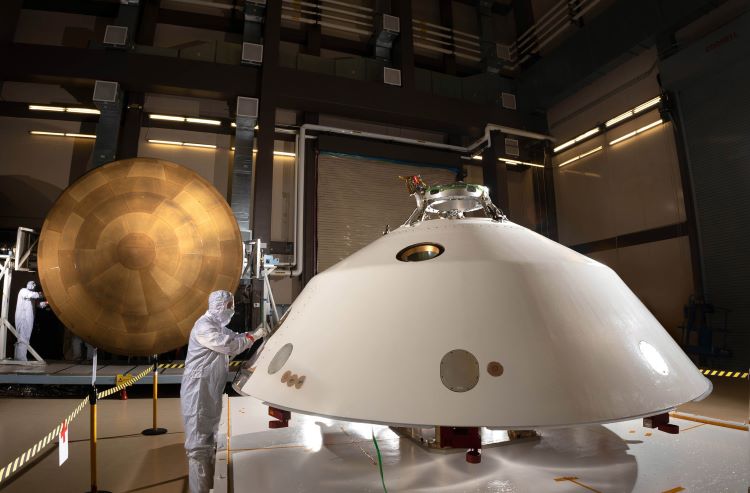
Composite Aeroshell Will Protect NASA’s 2020 Rover Throughout Journey to Mars

FSU Team Develops Carbon Nanotube Heat Shield for Superfast Aircraft


SUBSCRIBE TO CM MAGAZINE
Composites Manufacturing Magazine is the official publication of the American Composites Manufacturers Association. Subscribe to get a free annual subscription to Composites Manufacturing Magazine and receive composites industry insights you can’t get anywhere else.